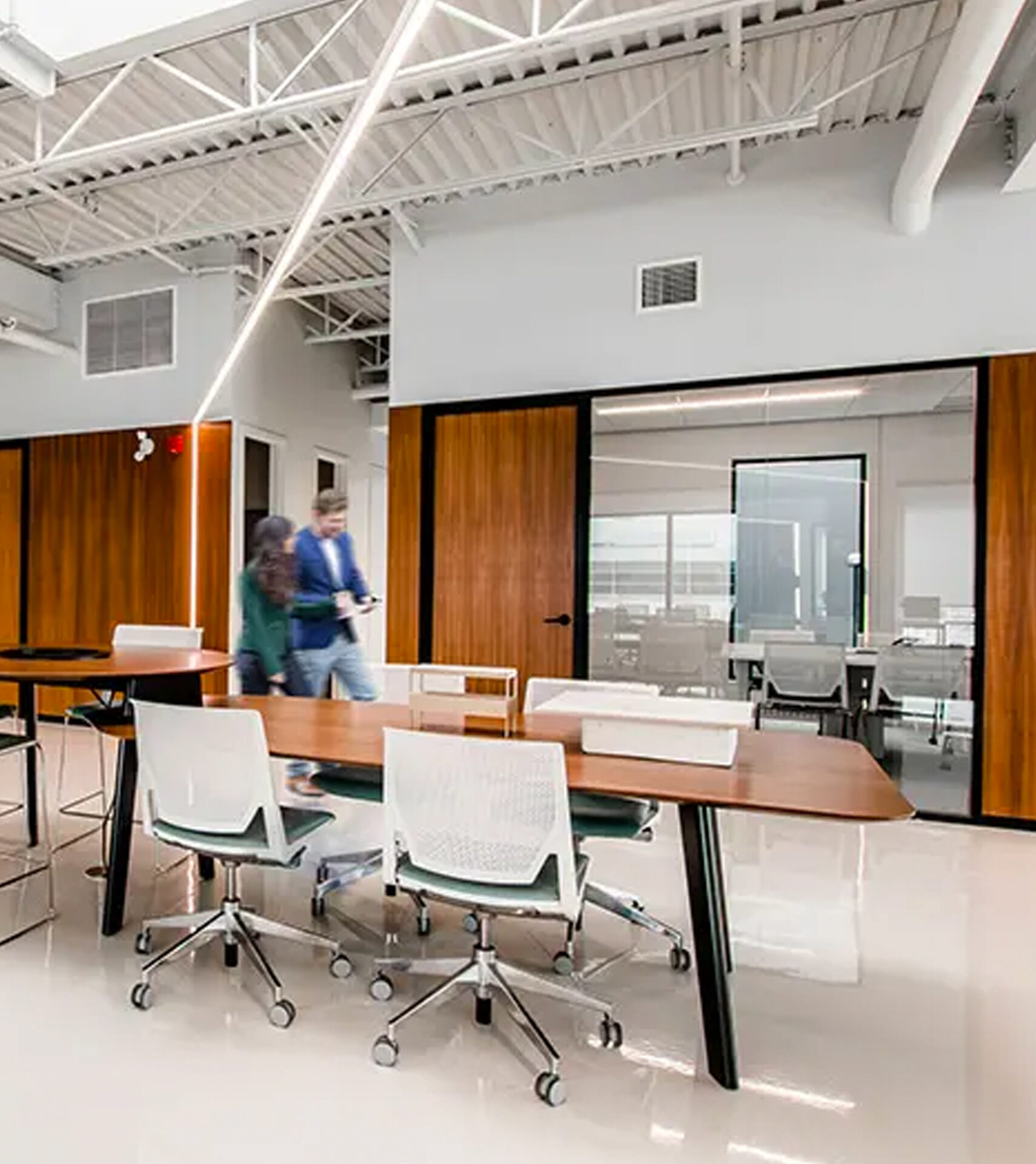
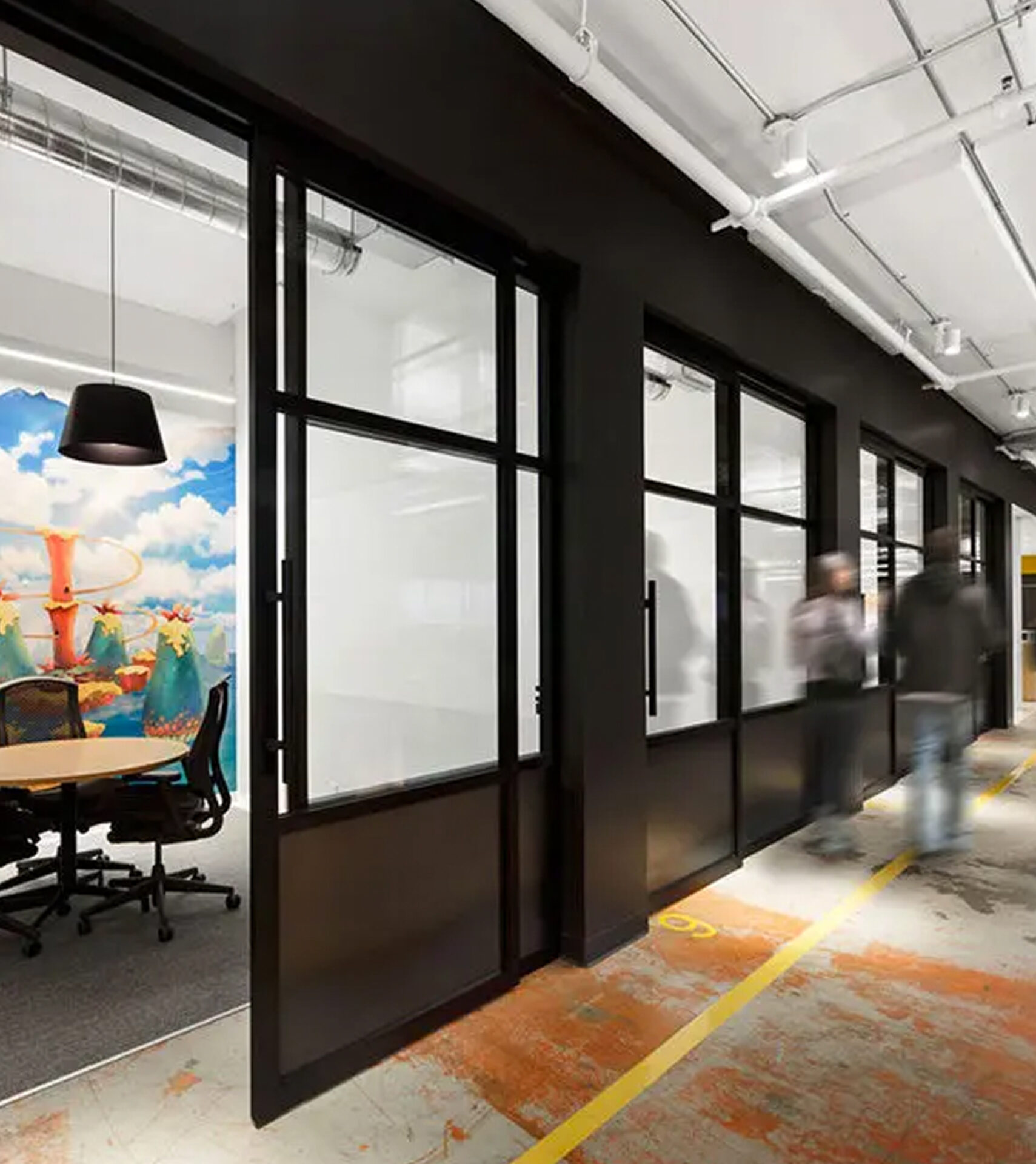
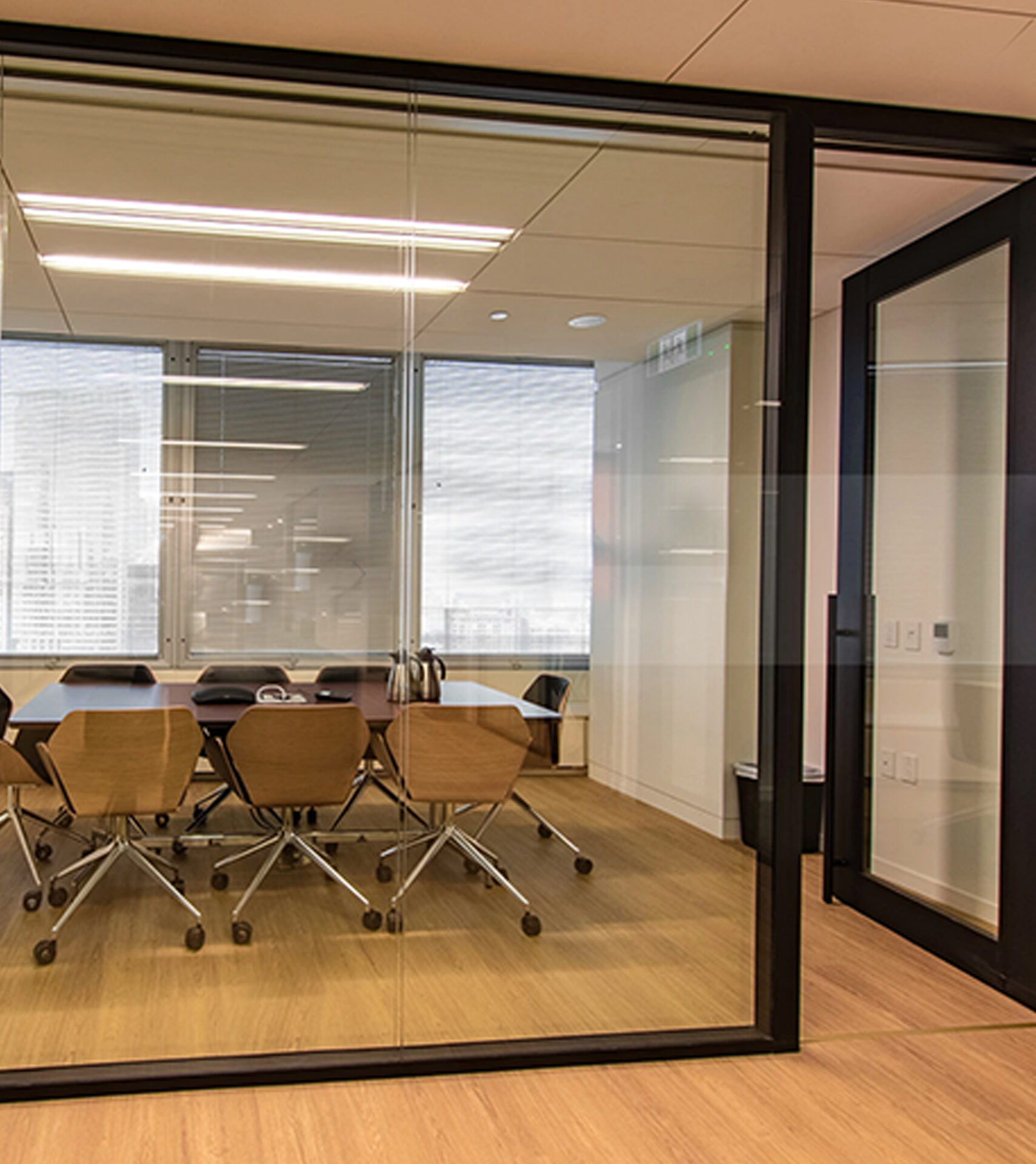
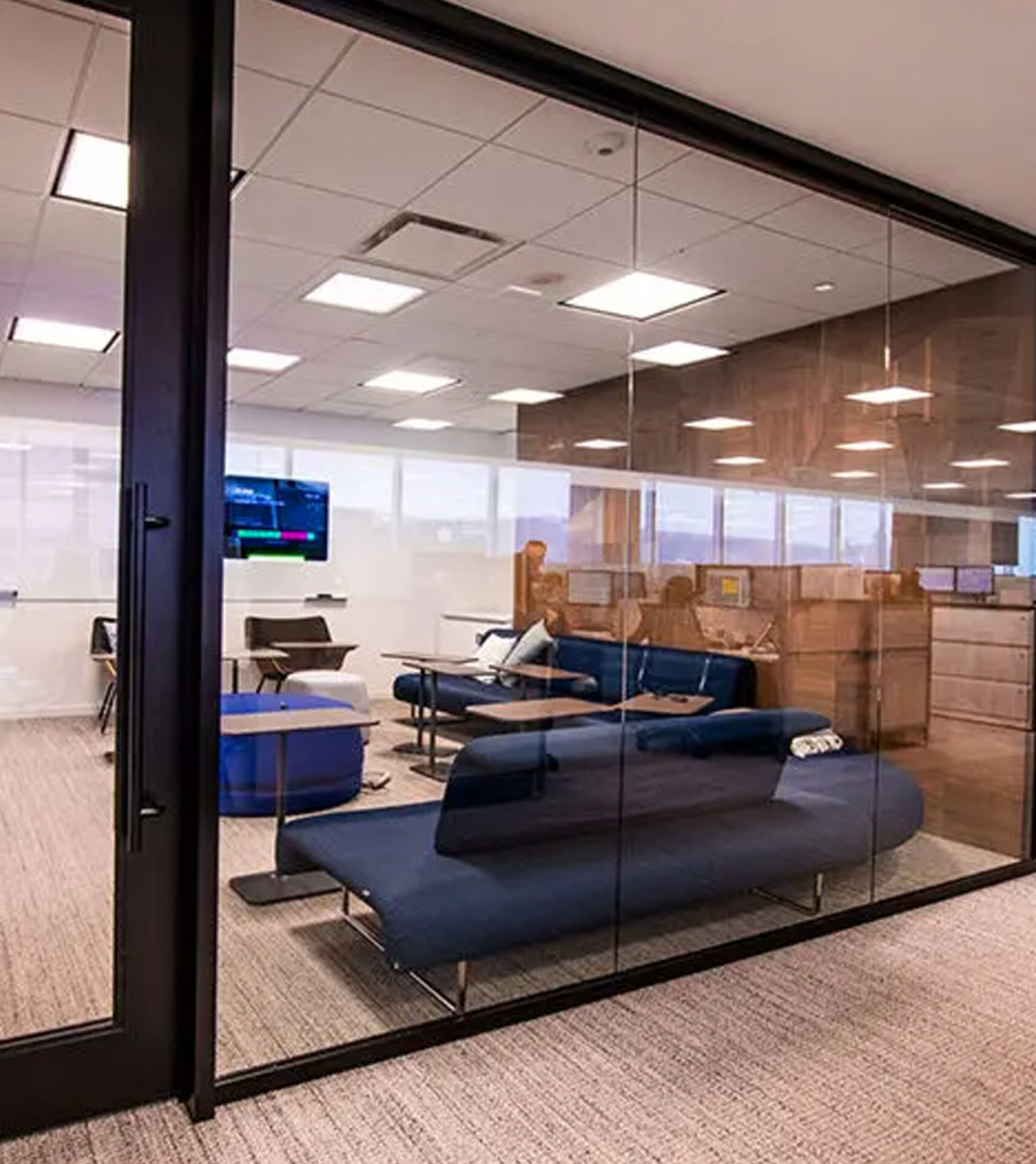
A beautiful workplace can still be uncomfortable if it is too noisy. Open offices, collaborative areas, meeting rooms, healthcare environments, educational spaces, and shared workplaces all have different acoustic requirements. Yet acoustics are often considered only after a space begins experiencing noise or privacy problems.
Good commercial acoustic design starts before problems become obvious. Acoustic solutions can help project teams create environments that better support focus, conversation, privacy, collaboration, employee experience, comfort, and workplace productivity. Vertical Interiors provides resources to help project teams understand how to apply acoustic products effectively. In this blog, we’ll discuss the benefits of acoustic solutions in commercial interiors and how our team supports product education, specification, and installation.
Why Acoustics Matter in Modern Workplaces
Modern workplaces contain a mix of activities happening simultaneously. One area may require concentration, quiet individual work, and private conversations, while another needs collaboration, team discussion, meetings, and social interaction. Acoustic solutions allow all of these activities to happen at once without disruption or distraction.
However, a single acoustic strategy may not work across an entire workplace, as different products suit specific sound applications. For example, common acoustic issues include excessive background noise, sound travelling between work areas, lack of speech privacy, reverberation and echo, distracting conversations, noisy collaboration zones, and meeting room sound leakage, and each may require different acoustic solutions.
Common Acoustic Challenges Across Commercial Environments
While offices are a common source of acoustic challenges, noise can create issues across commercial environments. In offices and open workplaces, acoustic problems often stem from open-plan environments, hybrid workplaces, shared desks, collaboration areas, focus spaces, and meeting rooms. In contrast, healthcare environments present acoustic challenges relating to privacy, speech control, patient experience, staff communication, and reducing distracting background noise.
Education and training spaces pose another set of issues, including speech intelligibility, classroom communication, group learning, shared spaces, and reverberation. Shared and multi-use spaces also bring challenges, such as common areas, reception spaces, breakout areas, hospitality environments, and multipurpose rooms. Acoustic solutions improve the focus, privacy, collaboration, comfort, and productivity of any commercial environment. However, no matter the setting, acoustic design should respond to how people use a space, not simply what the space looks like.
How Acoustic Solutions Improve Workplace Comfort
Comfort is one of the biggest benefits of acoustic solutions. Acoustic comfort is part of the overall user experience for customers, clients, and employees, providing:
- Reduced Distractions: Less unwanted sound can help people maintain concentration.
- Better Conversations: Appropriate acoustic treatment can make conversations easier to conduct in shared environments.
- More Comfortable Shared Spaces: Controlling reverberation and background noise can make busy spaces feel less overwhelming.
- Improved Employee Experience: Acoustic comfort contributes to how people perceive and experience the workplace.
Acoustic Solutions Can Support Privacy, Too
Privacy is another significant, but less well-known, benefit of acoustic solutions. The relationship between acoustics and privacy works in two ways:
- Sound Absorption: Helps reduce reflected sound and reverberation within a space.
- Sound Separation/Containment: Helps limit sound travelling between spaces.
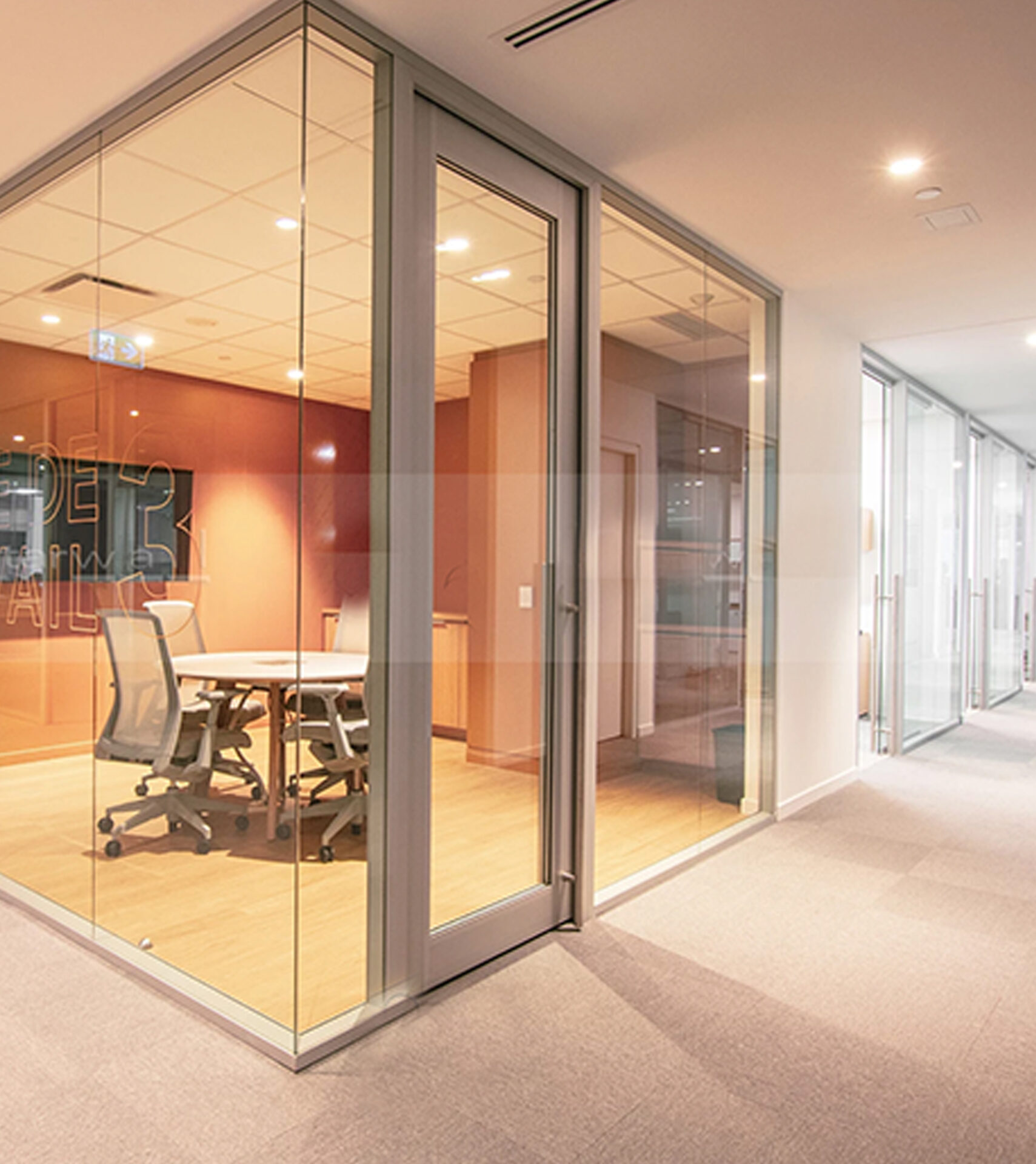
Different acoustic products aid each of these considerations, with different applications in private offices, meeting rooms, healthcare consultation areas, focus spaces, HR and confidential conversations, and phone and video call areas. Privacy isn’t always achieved by adding walls alone. For the best results, consider acoustic strategy alongside spatial planning, wall systems, doors, furniture, and other workplace elements.
Understanding Different Types of Acoustic Solutions
As mentioned above, there are a variety of acoustic products that serve different purposes. Some of the products we support include:
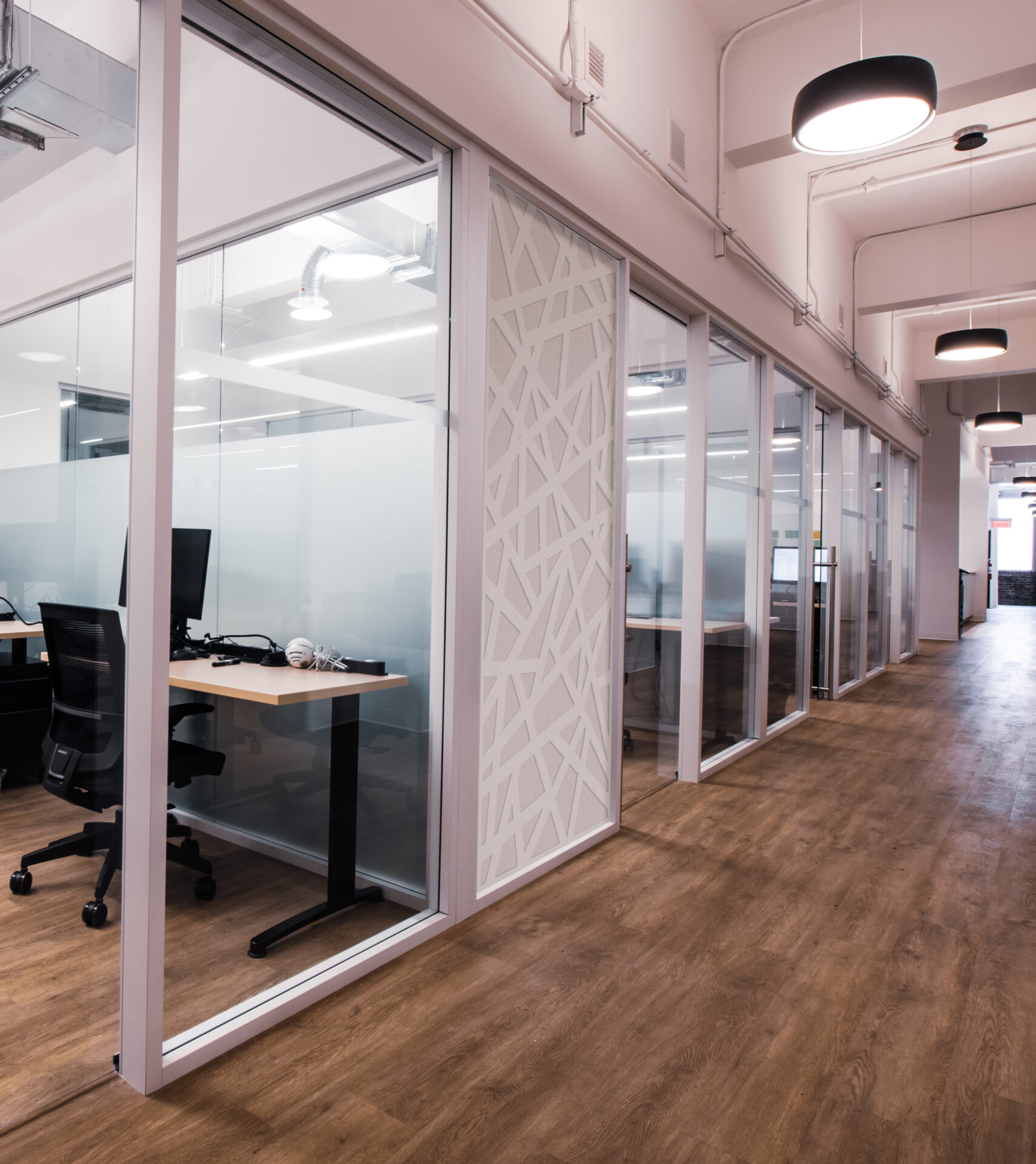
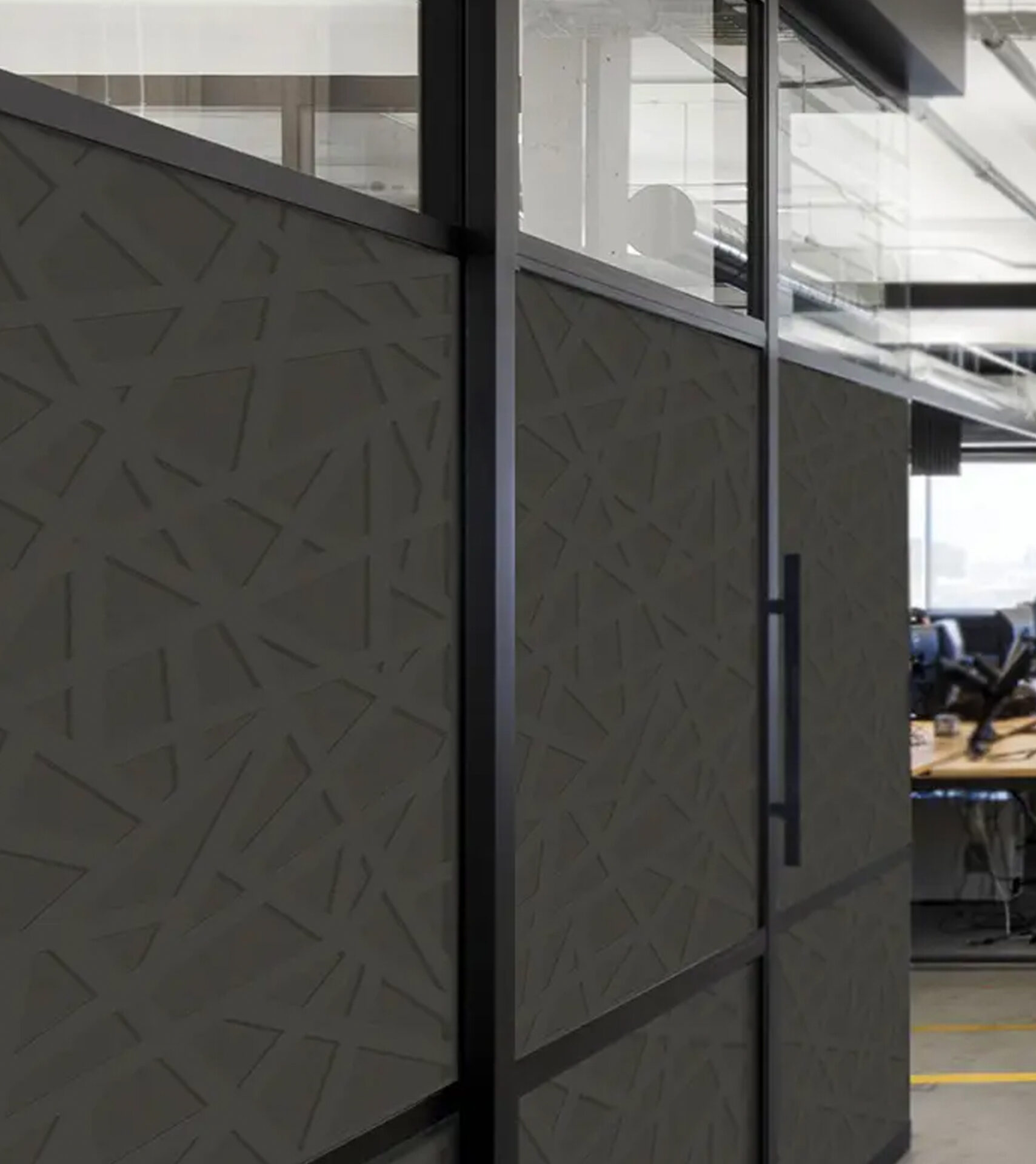
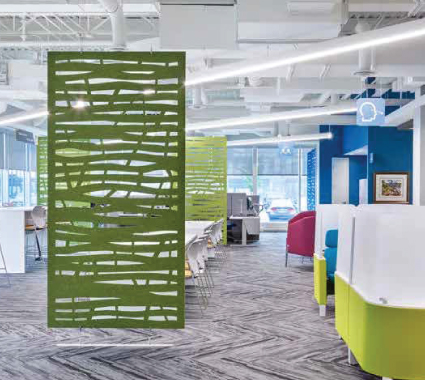
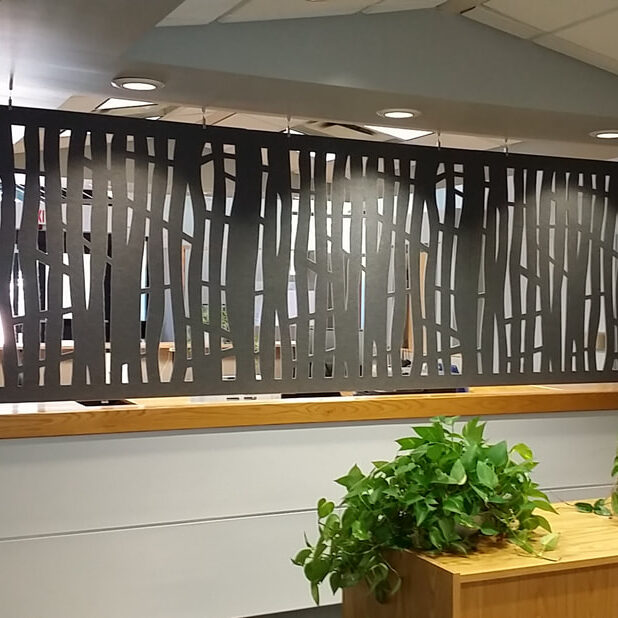
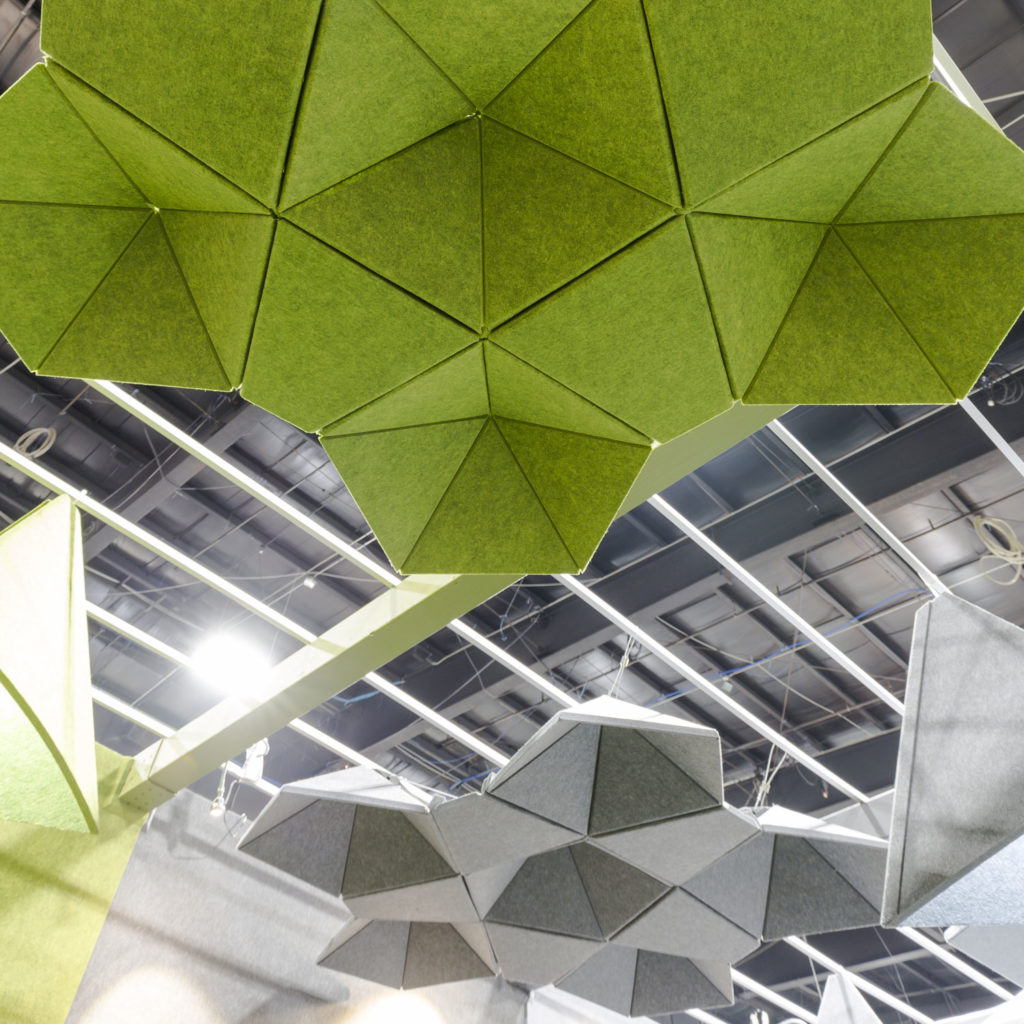
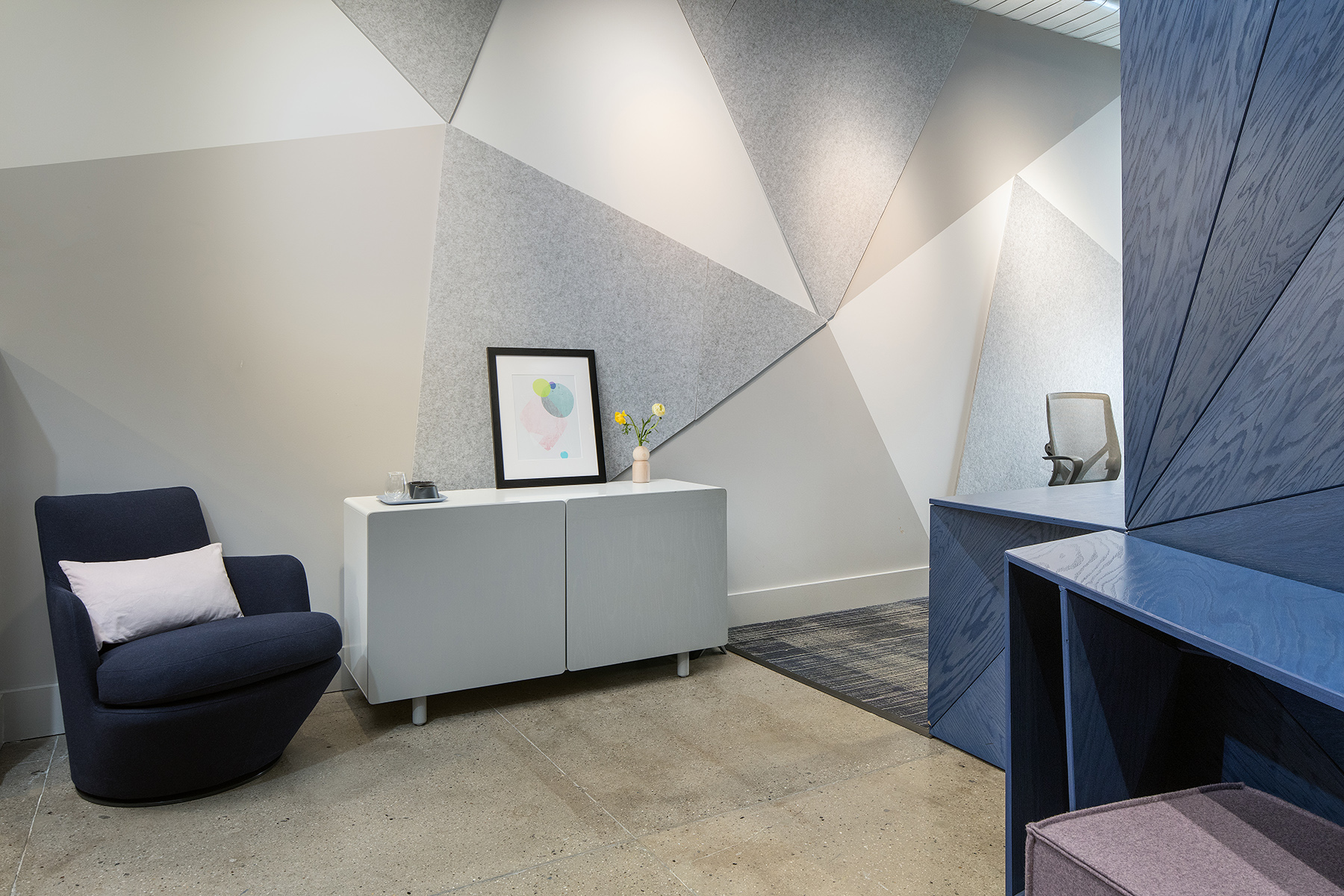
- Acoustic Panels
- Wall-mounted applications
- Decorative acoustic treatments
- Focus and collaboration areas
- Visual integration
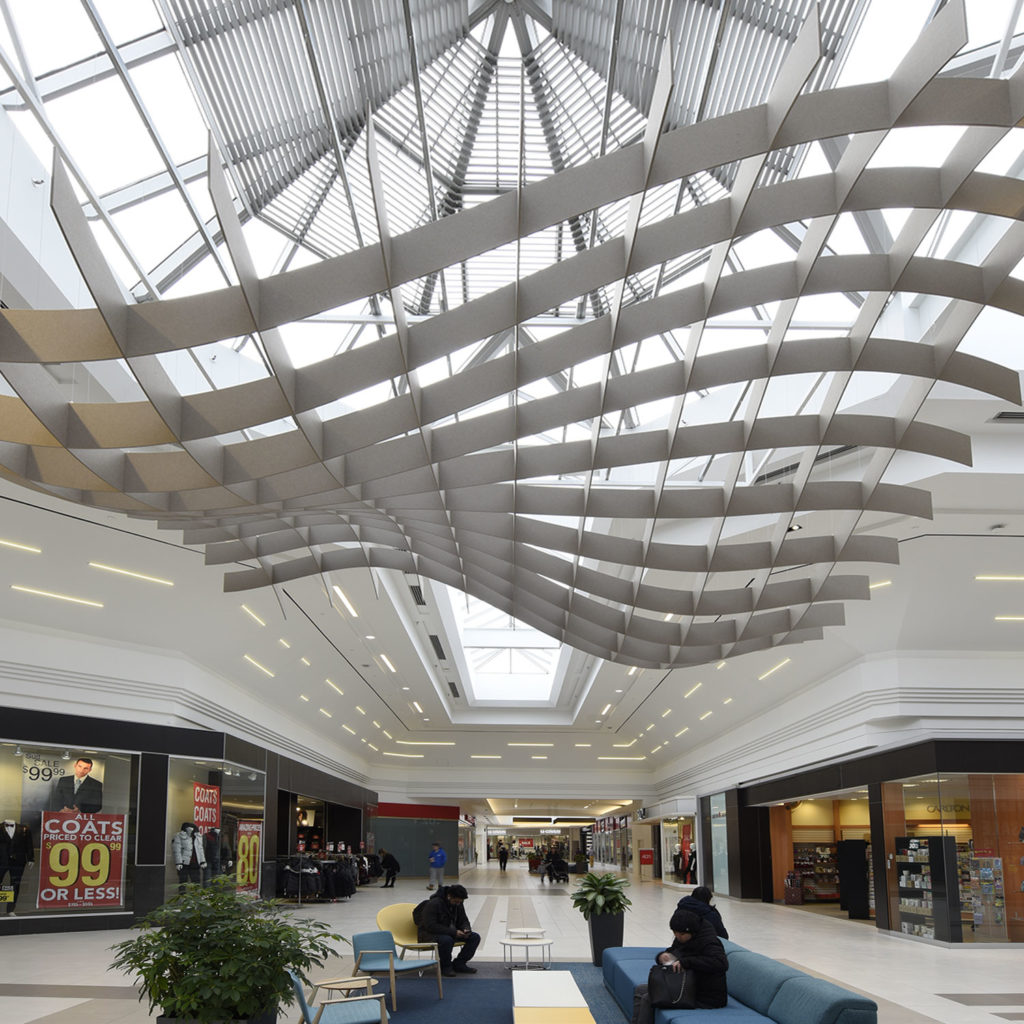
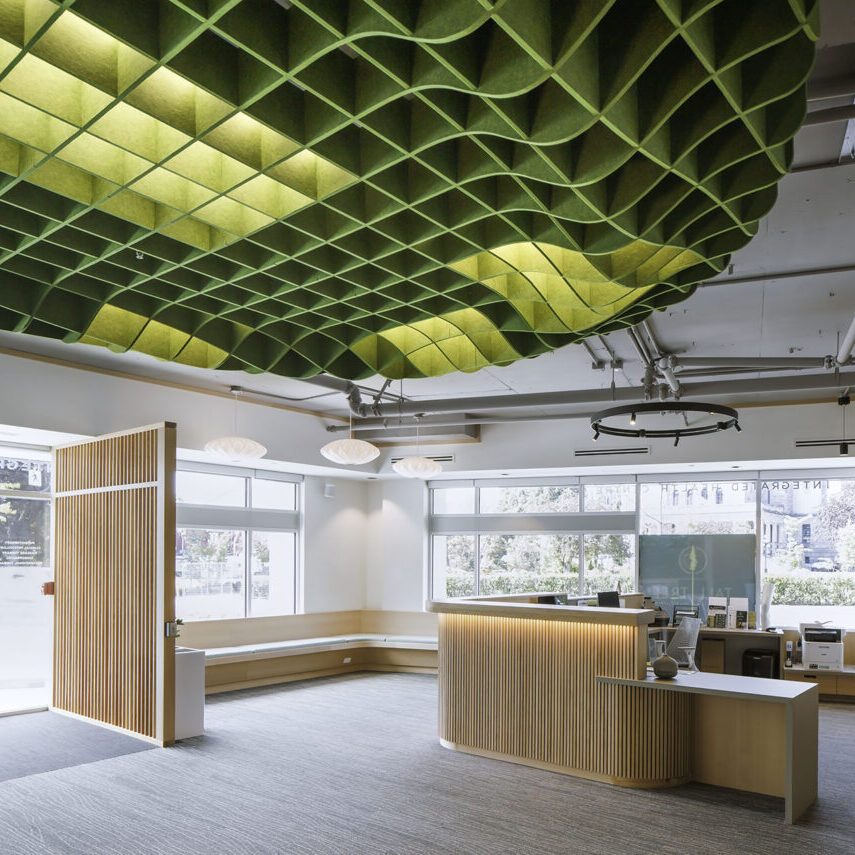
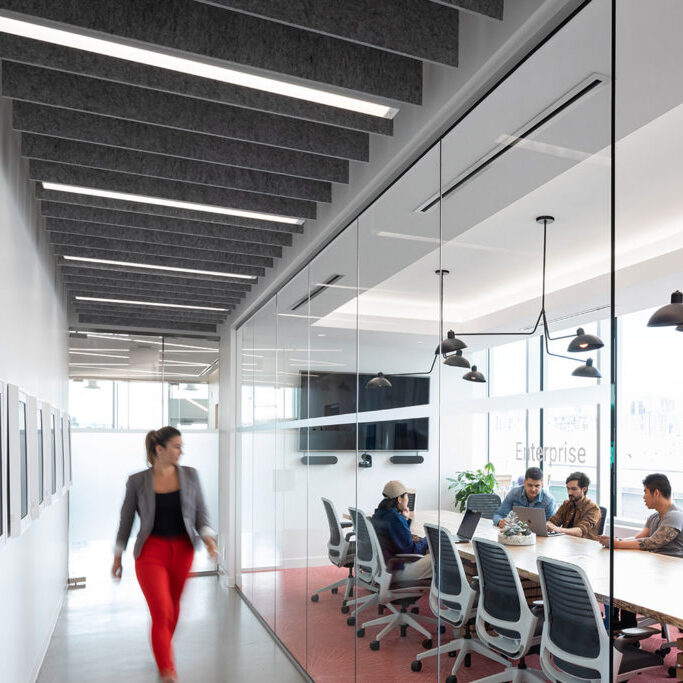
- Acoustic Baffles and Ceiling Applications
- Overhead acoustic treatment
- Large open spaces
- High ceilings
- Reducing reverberation
- Creating visual interest
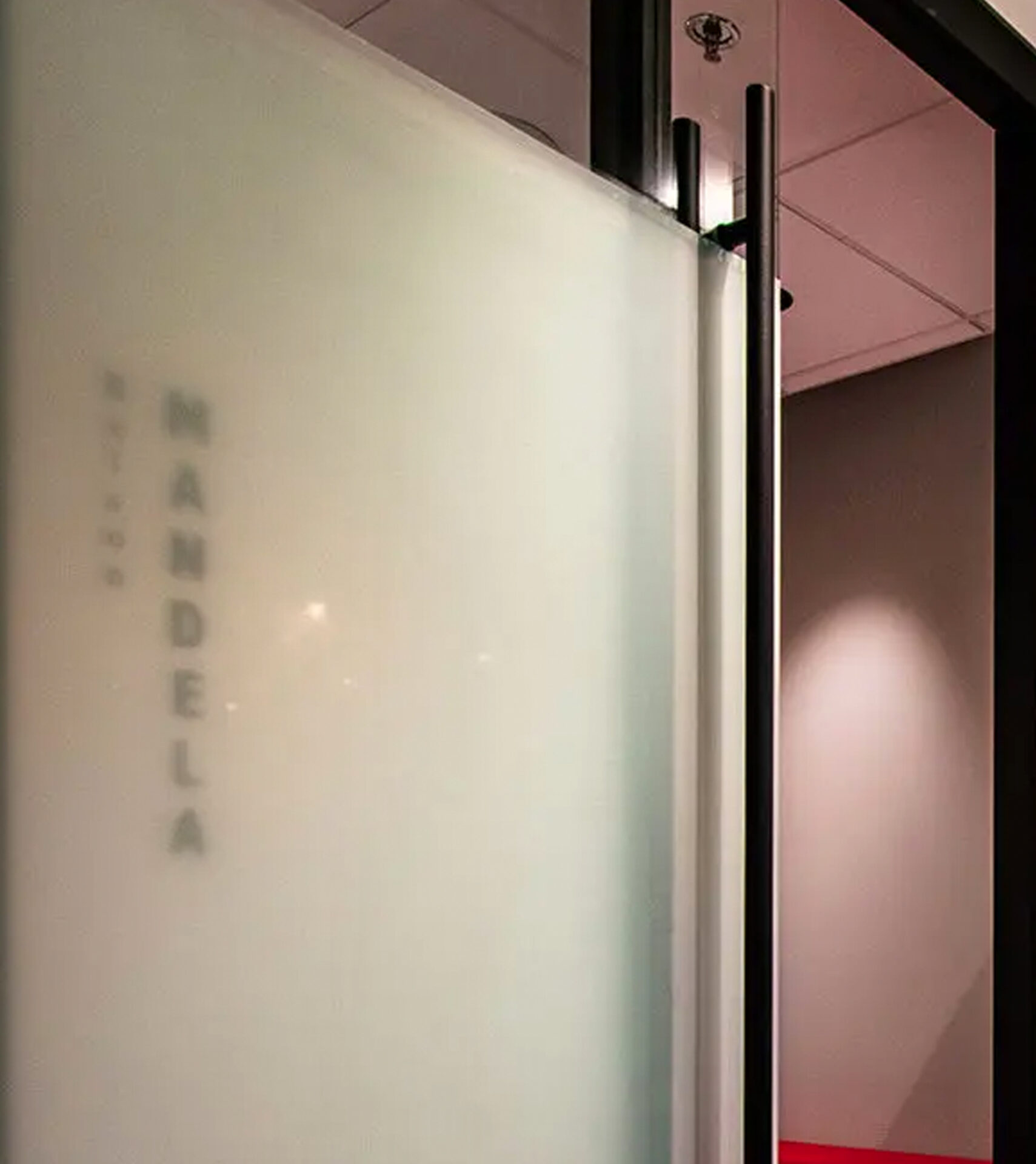
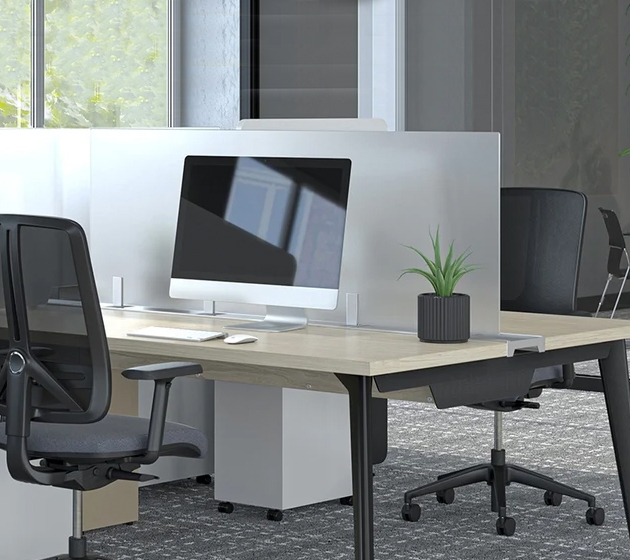
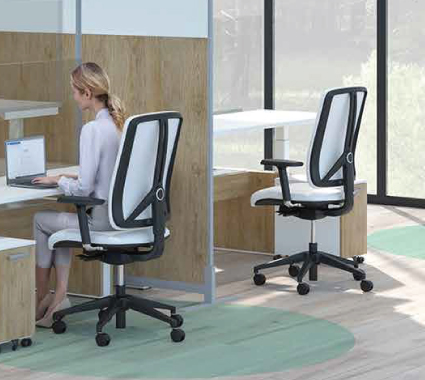
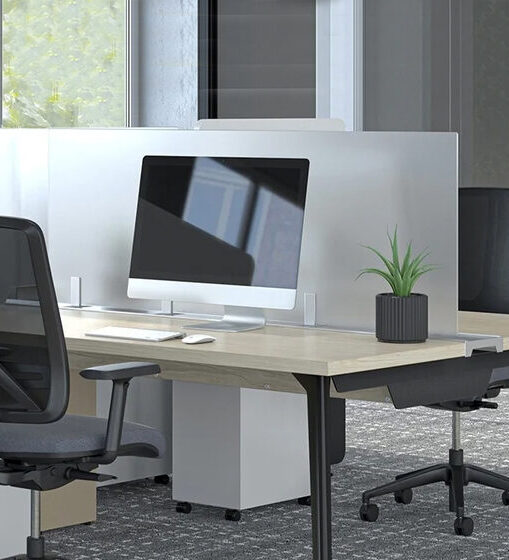
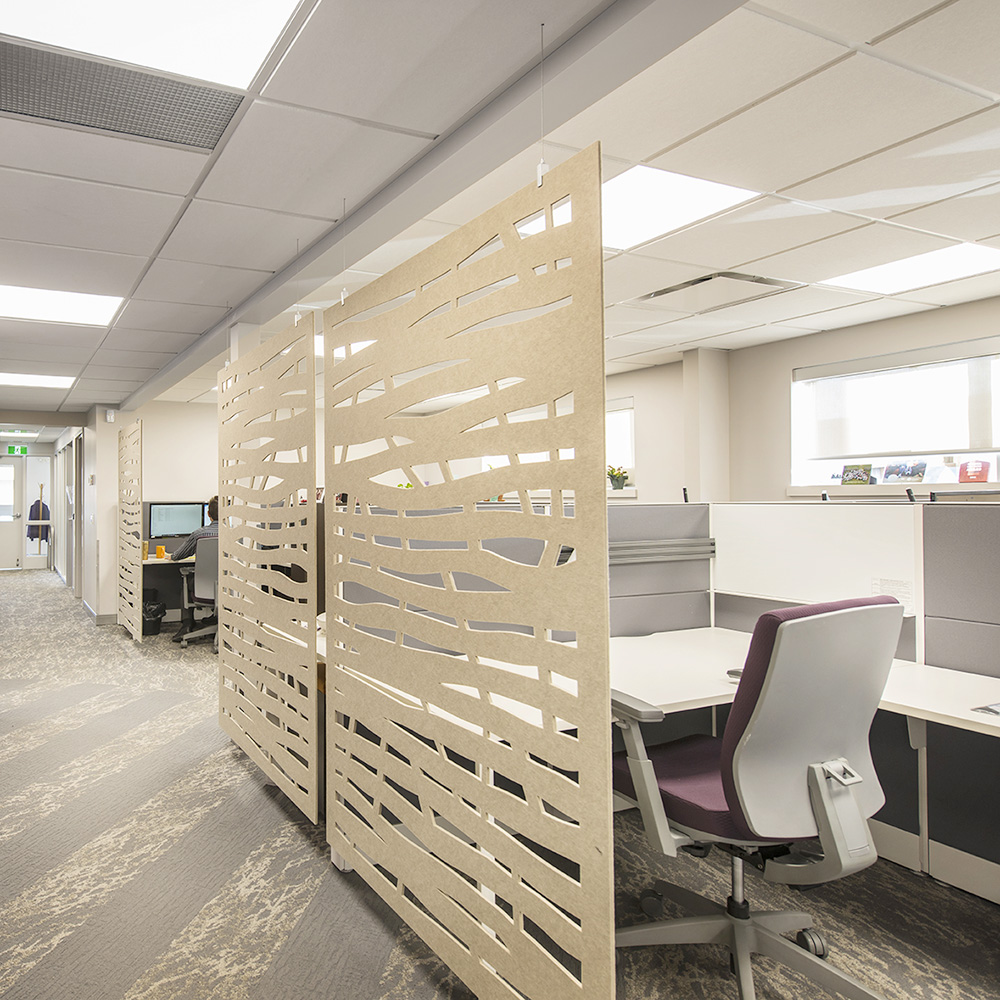
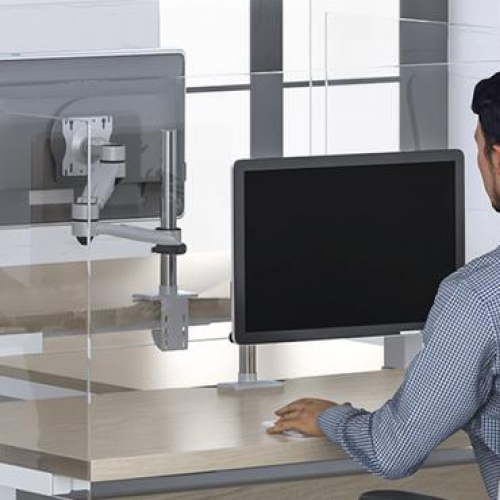
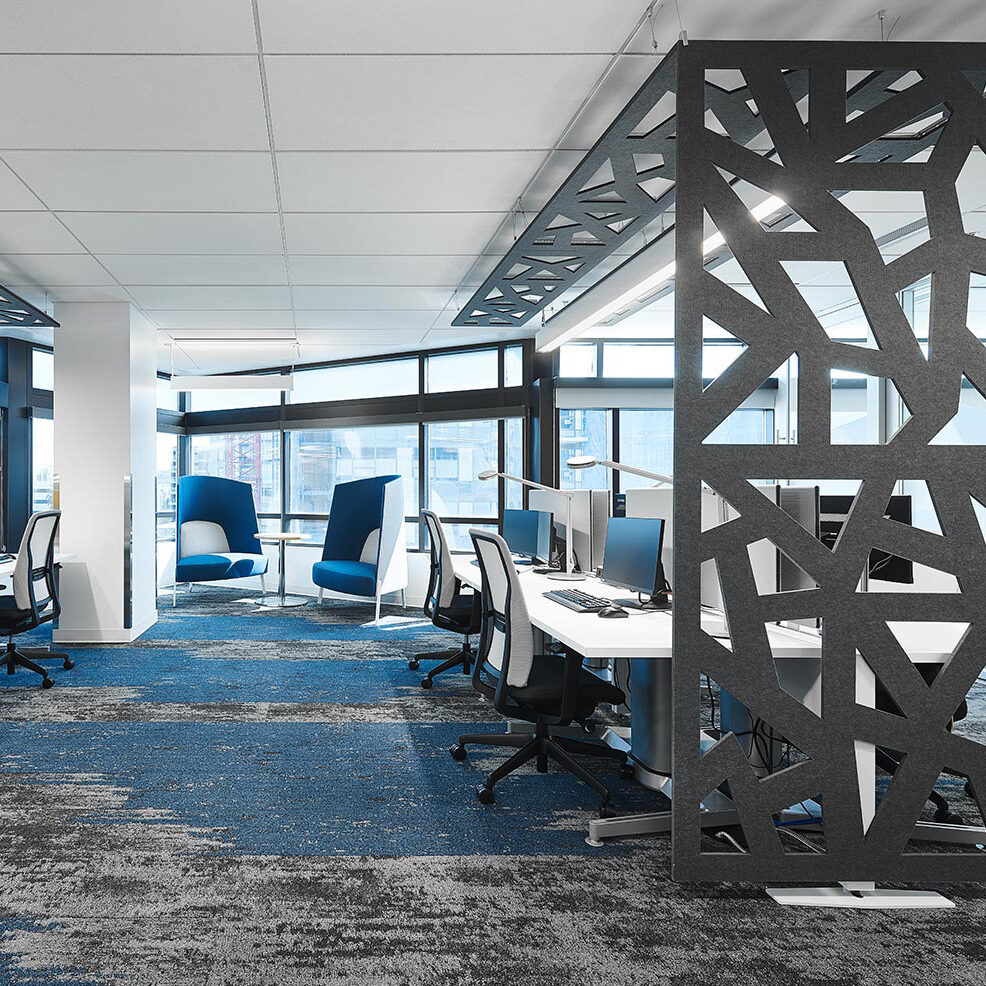
- Acoustic Screens
- Workstation applications
- Space definition
- Visual privacy
- Acoustic support
- Flexible workplace environments
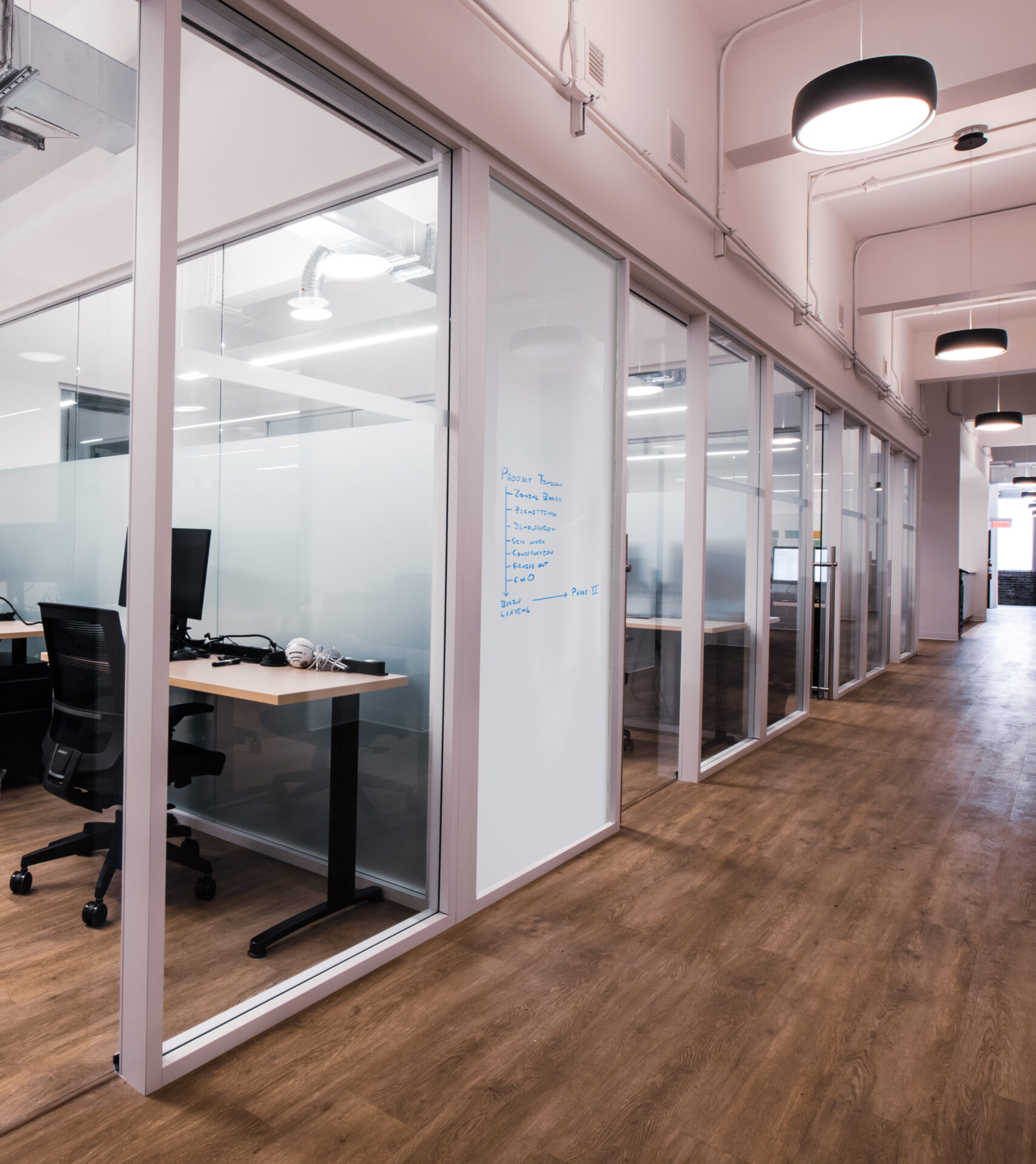
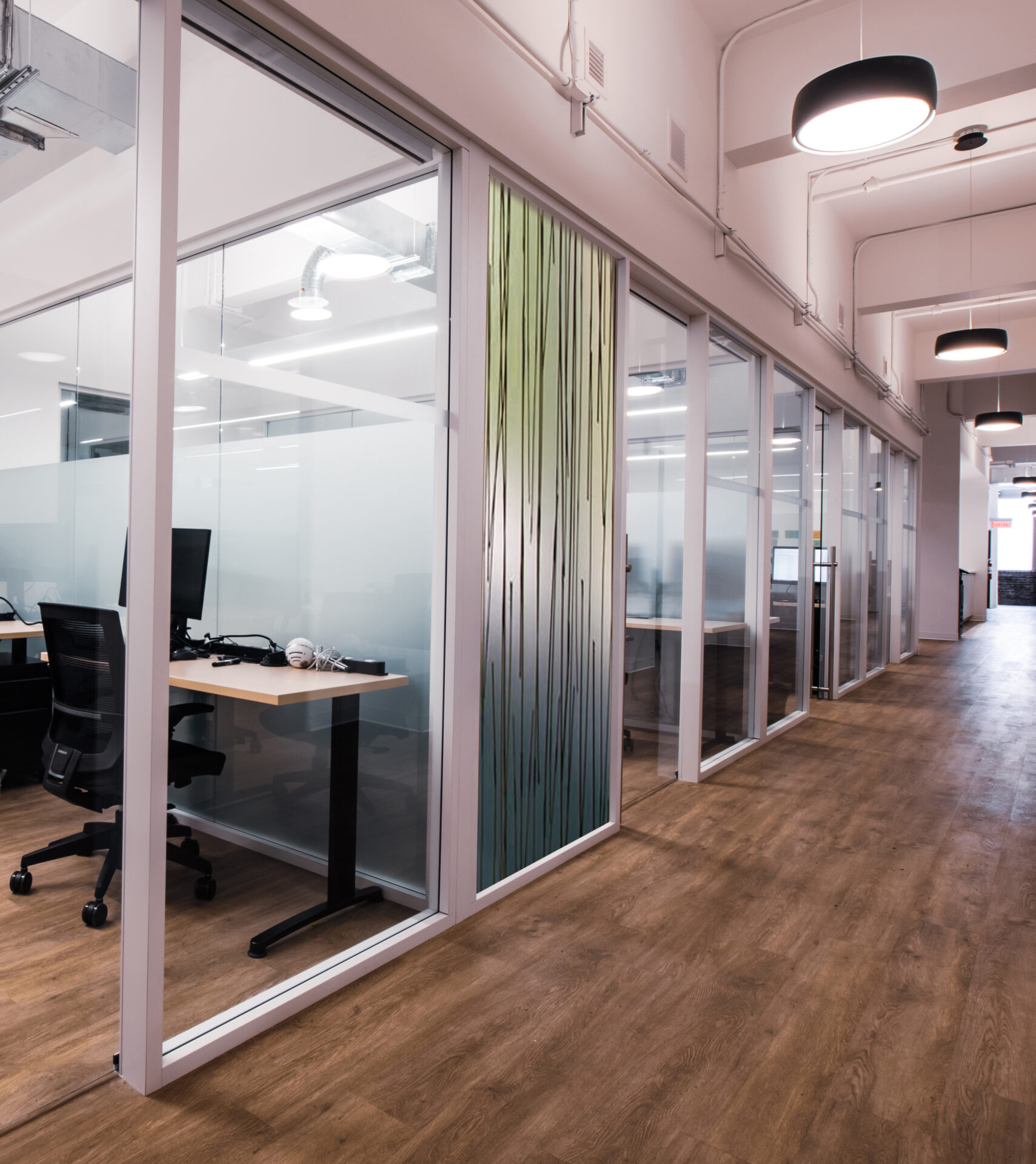
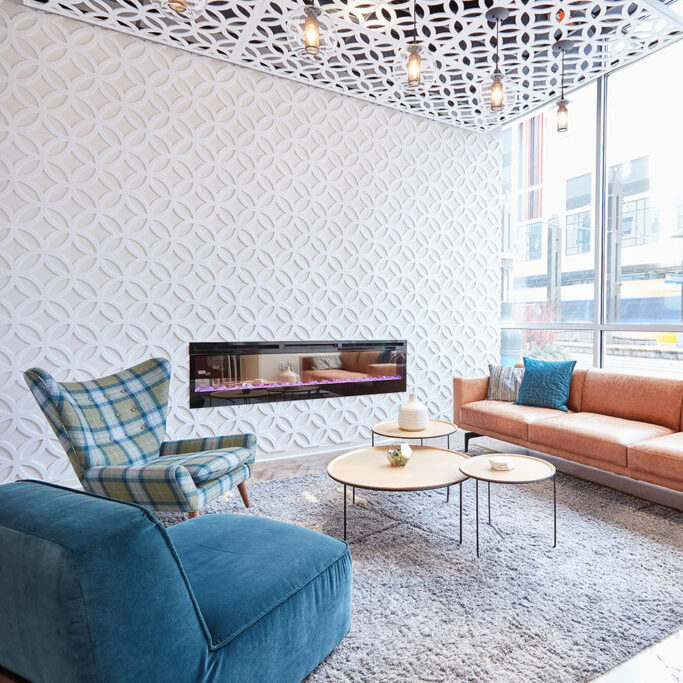
- Architectural Wall Applications
- Spatial and visual separation
- Acoustic performance
- Space definition
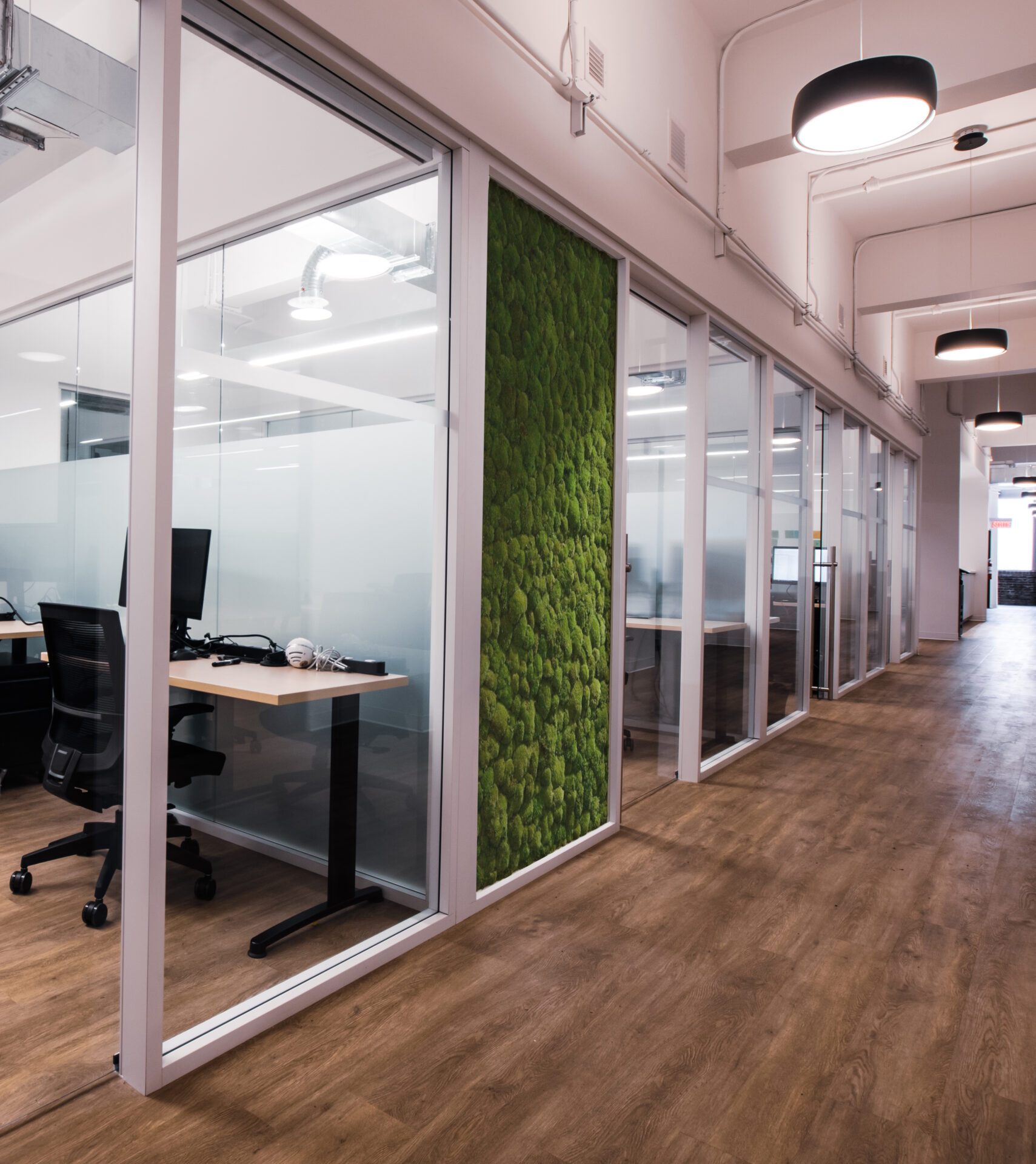
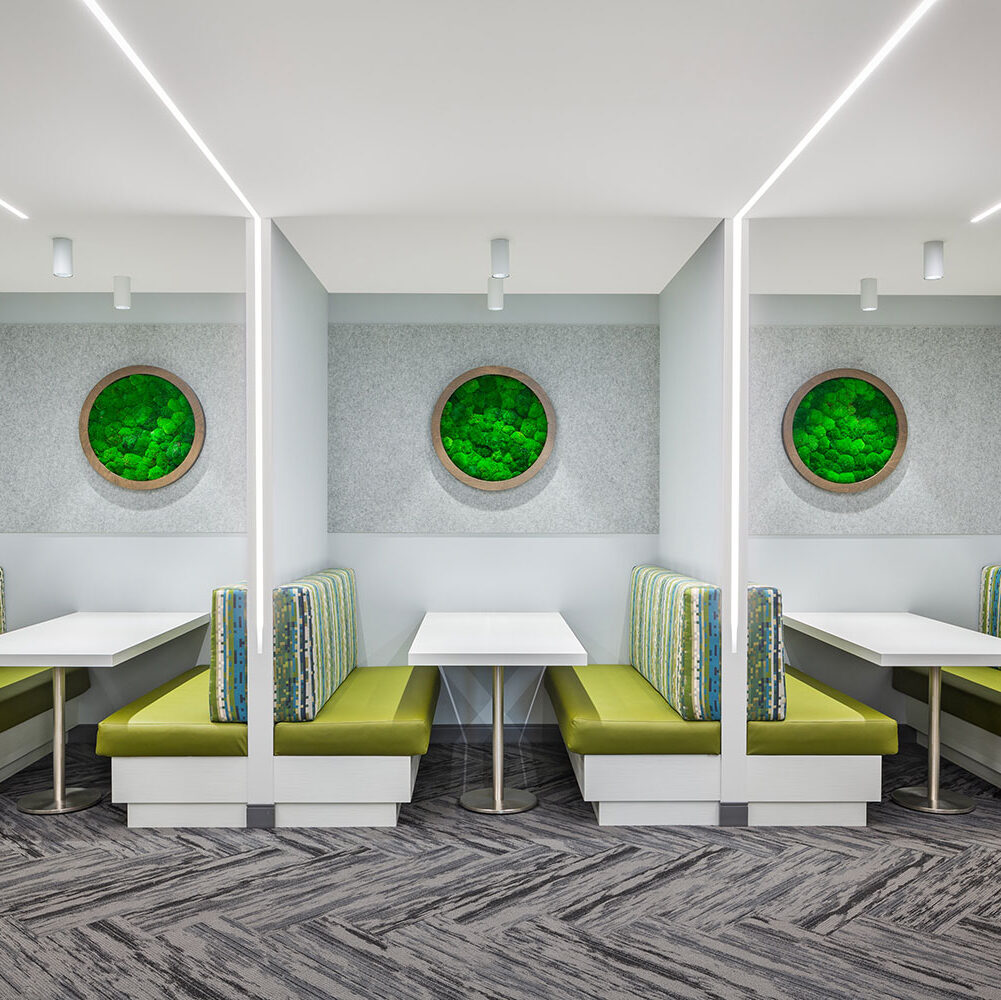
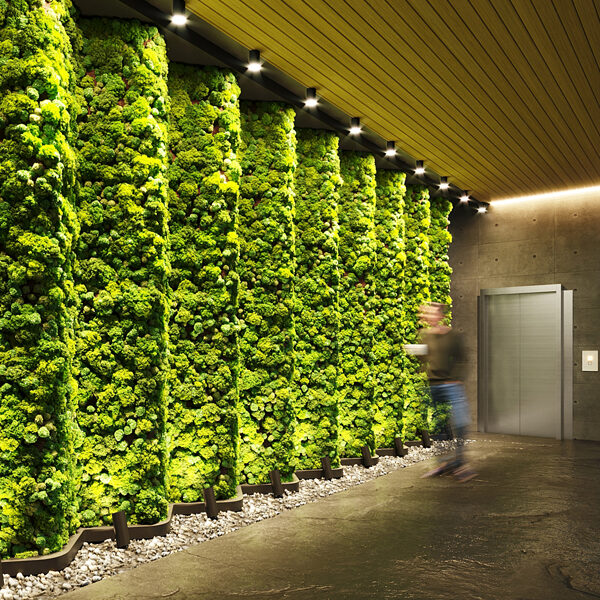
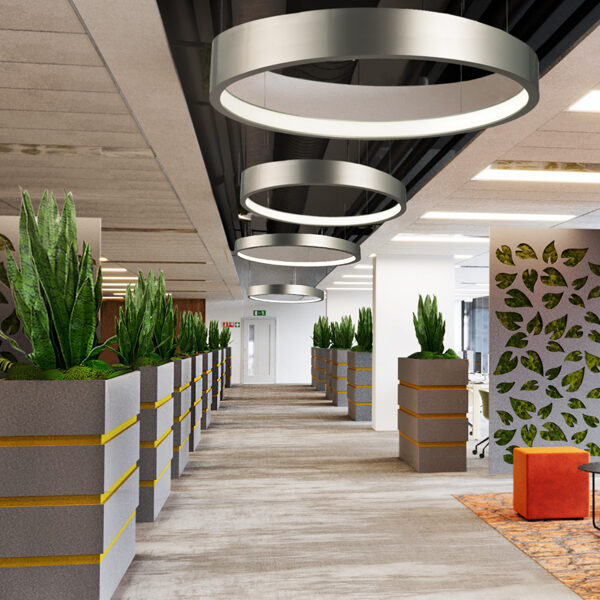
- Moss and Biophilic Acoustic Applications
- Wall, ceiling, and planter applications
- Benefits of biophilia and acoustics
- Creating visual interest
The strongest results may come from integrated acoustic solutions that combine several applications rather than relying on one product. Our showroom gives project teams a place to experience acoustic applications in a real environment before making decisions.
Designing for Acoustic Performance Without Sacrificing Aesthetics
Acoustic products don’t have to look like technical add-ons. While functionality matters, today’s commercial acoustic solutions can also contribute to a space’s visual identity. Colour and material selection, custom shapes and configurations, feature walls, ceiling treatments, branded applications, sculptural acoustic elements, biophilic design, and integration with workplace furniture and architecture can all help acoustic products shape a workspace’s aesthetics. The question isn’t: “How do we hide the acoustic treatment?” It’s: “How can acoustic performance become part of the design?”
The Role of EzoBord and Quiet Earth Moss
EzoBord and Quiet Earth Moss are two of the brands we support through acoustic product education, specification, and installation expertise:
- EzoBord
- Acoustic panels
- Ceiling applications
- Screens
- Wall treatments
- Custom applications
- Quiet Earth Moss
- Feature walls
- Planters
- Ceiling applications
- Intersection of acoustics and biophilic design
Different acoustic products create different opportunities. What matters is choosing the right application for your space. Book a showroom visit to experience and compare these solutions.
Acoustic Performance Should Be Considered Early in the Design Process
Acoustics are often only considered after they become a problem. Consideration early in the design process allows teams to:
- Identify acoustic goals
- Understand different solution types
- Coordinate acoustic elements with architecture
- Consider ceiling and wall applications
- Integrate solutions into the design
- Coordinate installation requirements
- Avoid treating acoustics as an expensive last-minute correction
The earlier acoustic considerations enter the conversation, the more design possibilities the project team has. Bringing in an acoustic product expert, such as Vertical Interiors, from the beginning allows them to support concept development, design development, specification, coordination, and installation. In addition, they can help answer questions, such as:
- What acoustic challenge are we trying to solve?
- Where should treatment be located?
- Is absorption or separation the bigger concern?
- Which applications are appropriate?
- How will the solution integrate visually?
- What installation requirements need to be considered?
- How can the acoustic strategy work with other workplace solutions?
Our experts help teams understand product possibilities and connect the right applications to project goals.
How Vertical Interiors Supports Acoustic Design
Acoustic products are only valuable when project teams understand how and where to use them. Vertical Interiors supports the market with:
- Acoustic product education
- Application guidance
- Specification support
- Product demonstrations
- Showroom experiences
- A&D consultations
- Dealer education
- Project coordination
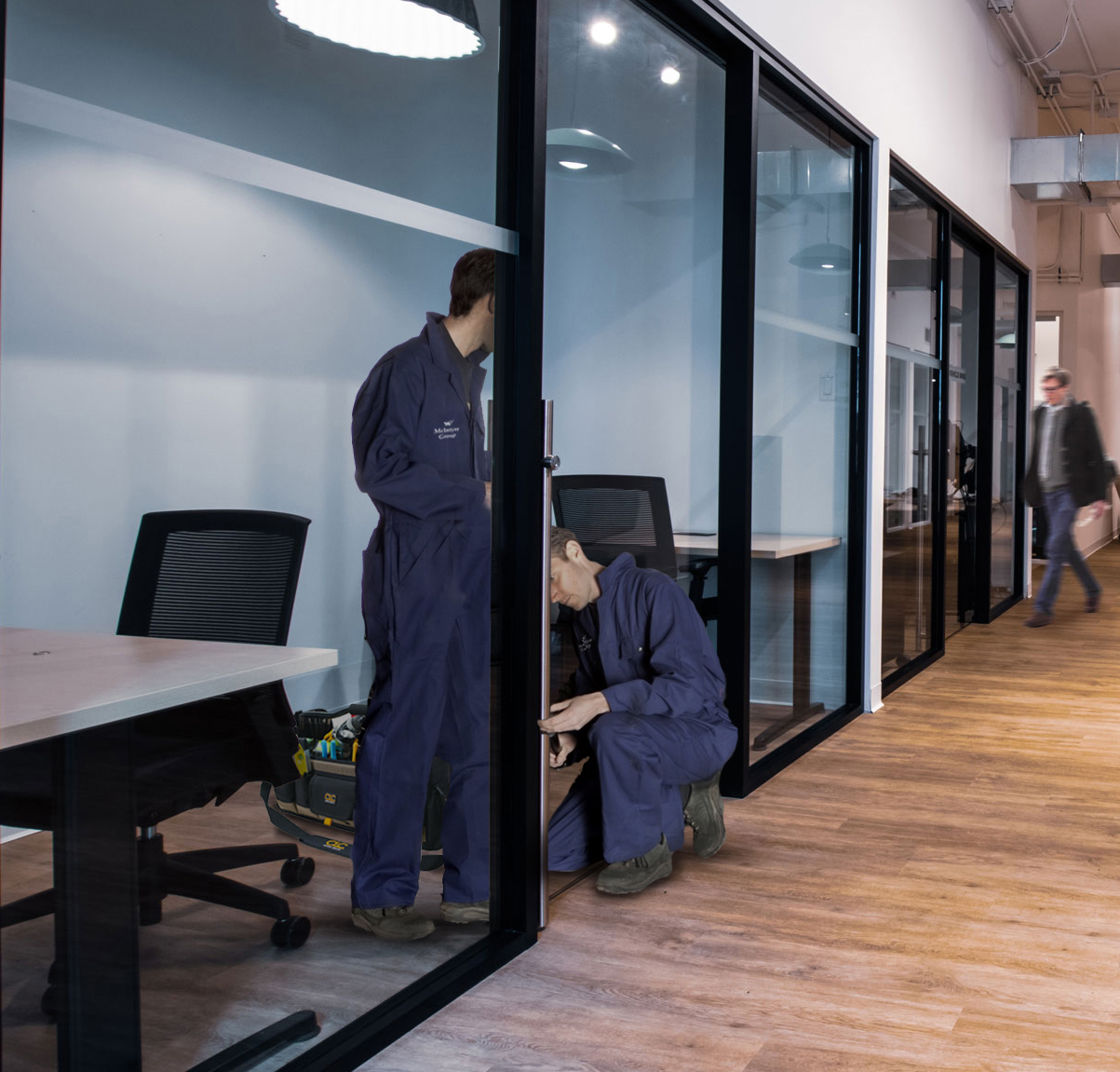
- Specialty installation expertise
Vertical’s showroom acts as a resource centre where dealers, designers, contractors, and clients can experience applications firsthand, helping them specify, understand, and implement innovative workplace solutions.
Acoustic Design Is About More Than Noise Reduction
Good acoustic design can support comfort, privacy, focus, collaboration, employee experience, design quality, and workplace flexibility, in addition to noise reduction. The goal isn’t necessarily to make a workplace silent. It’s to create acoustically appropriate environments for the activities happening within them.
Acoustic performance should be considered as part of commercial interior design from the beginning, alongside aesthetics, functionality, flexibility, and user experience. The right acoustic solution depends on the space, the people using it, and the outcomes the project needs to achieve. That’s where product expertise matters.
Vertical Interiors helps architects, designers, dealers, contractors, and clients understand acoustic solutions, explore applications, develop specifications, and bring specialized workplace products to life. Better acoustic outcomes begin with better conversations.
Planning a commercial interior project where acoustics matter? Connect with Vertical Interiors to explore acoustic solutions, product applications, and specification support for your next workplace project.